

About Course
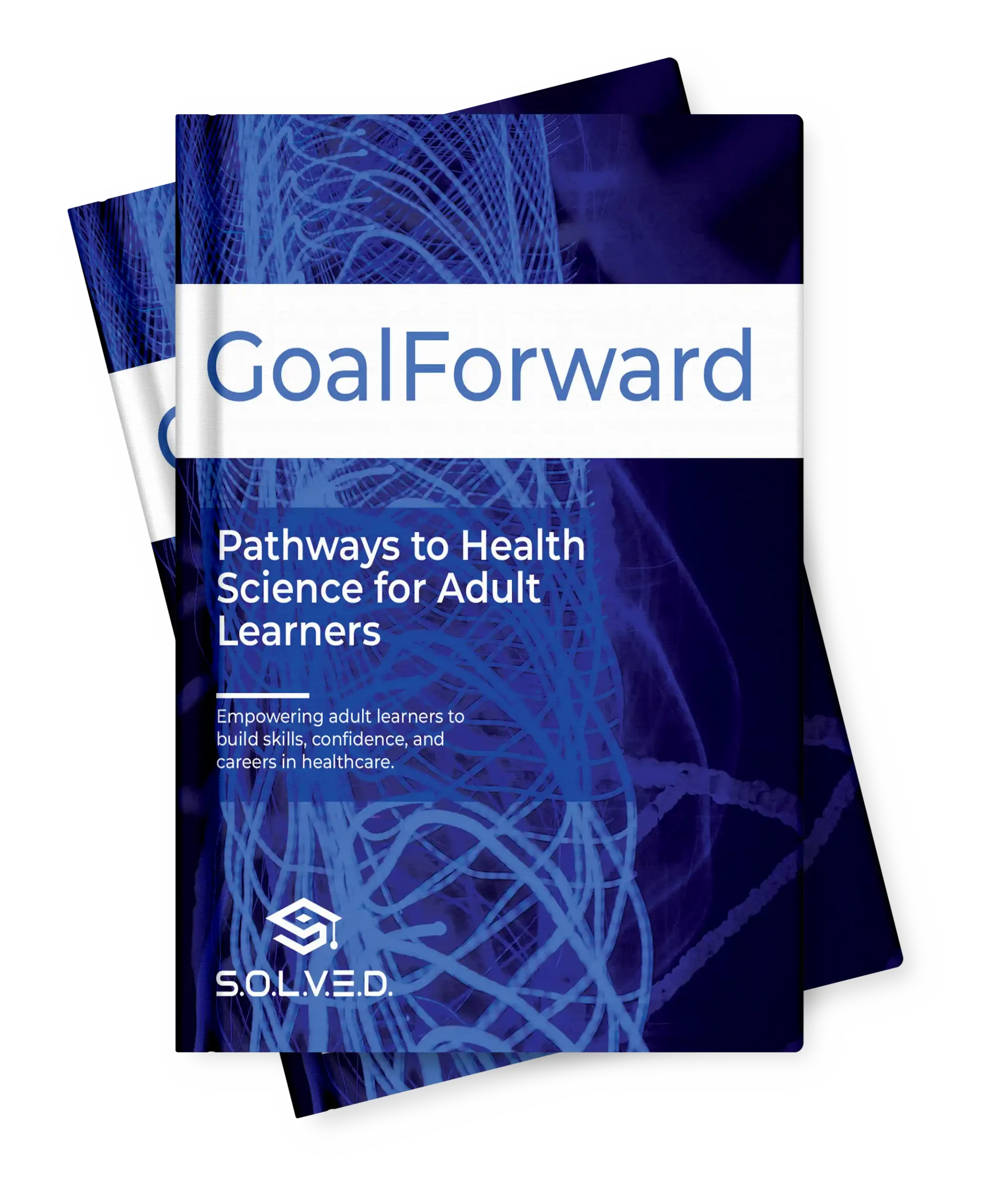
Welcome to Pathways to Health Science for Adult Learners!
This online supplemental workbook is intended for educational purposes only. It is not intended to be a substitute for professional medical advice, diagnosis, or treatment. Always seek the advice of a qualified healthcare provider with any questions you may have regarding a medical condition. The publisher and author are not liable for any misinterpretations or misuse of the information provided herein.
What Will You Learn?
- This online supplemental workbook is organized into 12 units, with units (1-11) focusing on a key topic in health science. Unit 12 provides practice for CASAS Steps assessment. Here’s how to get the most out of your learning experience:
- Explore Units: Each unit includes lessons, quizzes, and real-world applications.
- Track Your Progress: Use the reflection questions and checklists to monitor your learning and revisit topics as needed.
- Engage with Resources: Take advantage of articles and project-based learning activities to deepen your understanding.
Course Content
Unit 1: Exploring Roles in Healthcare
Students will apply their understanding of syllabication patterns (open and closed) of multisyllabic words to read, interpret, and communicate information about healthcare roles.
-
Unit 1: Course Introduction
02:09 -
Unit 1: Lesson 1.1
04:26 -
Unit 1: Lesson 1.2 (Part I)
06:06 -
Unit 1: Lesson 1.2 (Part II)
02:26 -
Unit 1: Check Your Understanding
-
Unit 1: Lesson 1.3
02:33 -
Unit 1: Short Answer
-
Unit 1: Listening Activity
-
Unit 1: Knowledge Check
-
Unit 1: Project Based Learning
04:12 -
Unit 1: Wellness & Mindfulness
01:16
Unit 2: Ethics in Healthcare
Students will read and interpret healthcare documents, such as the Patient’s Bill of Rights and informed consent forms, using context clues and inference to build fluency, comprehension, and the ability to apply information effectively.
-
04:31
-
01:41
-
Unit 2: Check Your Understanding
-
-
Unit 2: Lesson 2.3
03:19 -
Unit 2: Listening Activity
-
Unit 2: Short Answer
-
Unit 2: Lesson 2.4
03:19 -
Unit 2: Check Your Understanding
-
Unit 2: Lesson 2.5
03:18 -
Unit 2: Knowledge Check
-
03:48
-
02:11
Unit 3: The Power of Words and Actions
Students will analyze verbal and non-verbal communication in healthcare settings to determine the speaker’s/author’s purpose or perspective, while building critical thinking skills needed to interpret cues and respond appropriately in situations.
-
Unit 3: Lesson 3.1
01:50 -
Unit 3: Lesson 3.2
02:44 -
Unit 3: Dive Deeper with Effective Communication in Healthcare
-
Unit 3: Scenario Check In
-
Unit 3: Short Answer
-
Unit 3: Listening Activity
-
Unit 3: Lesson 3.3
10:32 -
Unit 3: Dive Deeper with Author’s Purpose
-
Unit 3: Check Your Understanding
-
Unit 3: Knowledge Check (Text)
-
Unit 3: Knowledge Check
-
Unit 3: Project Based Learning
02:59 -
Unit 3: Wellness & Mindfulness
01:06
Unit 4: Hand Hygiene
Students will analyze and evaluate how text features and structures in informational texts, such as those on hand hygiene, support understanding and critical thinking about infection control in healthcare settings.
-
Unit 4: Lesson 4.1
00:56 -
Unit 4: Lesson 4.2
06:05 -
Unit 4: Dive Deeper with Text Features
-
Unit 4: Lesson 4.3
05:08 -
Unit 4: Dive Deeper with Text Structure
-
Unit 4: Check Your Understanding
-
Unit 4: Lesson 4.4
01:02 -
Unit 4: Listening Activity Exit Slip
-
Unit 4: Knowledge Check (Text)
-
Unit 4: Knowledge Check
-
Unit 4: Project Based Learning
03:34 -
Unit 4: Wellness & Mindfulness
01:12
Unit 5: Numbers to Insights
Students will use information and apply math skills to analyze and report on data in graphs, charts, and tables.
-
Unit 5: Lesson 5.1
04:30 -
Unit 5: Lesson 5.2
03:06 -
Unit 5: Lesson 5.3
01:26 -
Unit 5: Short Answer
-
Unit 5: Dive Deeper with Data
-
Unit 5: Listening Activity
-
Unit 5: Knowledge Check (Text)
-
Unit 5: Knowledge Check
-
Unit 5: Project Based Learning
03:02 -
Unit 5: Wellness & Mindfulness
00:51
Unit 6: Wellness and Disease Concepts
Students will apply knowledge of Greek and Latin roots and affixes and critical thinking skills to determine the meaning of unfamiliar words and phrases in texts about wellness and disease concepts, demonstrating an understanding of how language is used to explain health-related topics.
-
Unit 6: Lesson 6.1
03:39 -
Unit 6: Lesson 6.2
03:40 -
Unit 6: Dive Deeper with Root Words and Affixes
-
Unit 6: Check Your Understanding
-
Unit 6: Lesson 6.3
03:11 -
Unit 6: Dive Deeper with Wellness and Disease
-
Unit 6: Check Your Understanding
-
Unit 6: Lesson 6.4
03:28 -
Unit 6: Listening Activity
-
Unit 6: Knowledge Check (Text)
-
Unit 6: Knowledge Check
-
Unit 6: Project Based Learning
03:16 -
Unit 6: Wellness & Mindfulness
01:41
Unit 7: Adverse Drug Events
Students will analyze how a text connects and distinguishes individuals, ideas, or events, such as types of adverse drug events, to apply systems thinking in responding to medical emergencies.
-
Unit 7: Lesson 7.1
05:39 -
Unit 7: Lesson 7.2
03:05 -
Unit 7: Dive Deeper with Adverse Events
-
Unit 7: Lesson 7.3
03:40 -
Unit 7: Dive Deeper with Connections & Distinctions
-
Unit 7: Listening Activity
-
Unit 7: Knowledge Check (Text)
-
Unit 7: Knowledge Check
-
Unit 7: Project Based Learning
03:10 -
Unit 7: Wellness & Mindfulness
01:03
Unit 8: Technology and Communication
Students will read and summarize informational texts about healthcare technology by identifying and explaining how key details support the central idea, while demonstrating how professionals use tools like fax, email, and the internet to share patient data.
-
Unit 8: Lesson 8.1
01:56 -
Unit 8: Lesson 8.2
04:03 -
Unit 8: Check Your Understanding
-
Unit 8: Dive Deeper with Central Idea
-
Unit 8: Lesson 8.3
04:07 -
Unit 8: Find the GIST
-
Unit 8: Listening Activity
-
Dive Deeper with Digital Communication
-
Unit 8: Lesson 8.4
00:29 -
Unit 8: Short Answer
-
Unit 8: Knowledge Check (Text)
-
Unit 8: Knowledge Check
-
Unit 8: Project Based Learning
02:32 -
Unit 8: Wellness & Mindfulness
01:32
Unit 9: Bloodborne Diseases
Students will demonstrate knowledge of bloodborne diseases and the legal aspects of HIV/AIDS, including testing, by comparing and contrasting primary and secondary sources to analyze how different types of information contribute to understanding these topics.
-
Unit 9: Lesson 9.1
01:11 -
Unit 9: Dive Deeper with Primary & Secondary Sources
-
Unit 9: Lesson 9.2
08:22 -
Unit 9: Primary & Secondary Sources Activity
-
Unit 9: Primary & Secondary Scavenger Hunt
-
Unit 9: Lesson 9.3
08:22 -
Unit 9: Listening Activity
-
Unit 9: Knowledge Check (Text)
-
Unit 9: Knowledge Check
-
Unit 9: Project Based Learning
02:31 -
Unit 9: Wellness & Mindfulness
01:07
Unit 10: Safe Practices in Healthcare
Students will analyze arguments about healthcare safety, write a well-supported position using credible evidence and logical reasoning, and demonstrate how to recognize unsafe working conditions while applying personal qualities essential to workplace success.
-
Unit 10: Lesson 1
05:33 -
Unit 10: Lesson 2
-
Unit 10: Lesson 3
-
Unit 10: Lesson 4
04:07 -
Unit 10: Check Your Understanding
-
Unit 10: Listening Activity
-
Unit 10: Listening Activity Exit Slip
-
Unit 10: Lesson 5
01:53 -
Unit 10: Knowledge Check
-
Unit 10: Wellness & Mindfulness
00:59
Unit 11: Building Your Future
Students will write expository texts, such as resumes and job search documents, to explain and analyze information from multiple sources, using clear organization, precise and domain-specific language, and a formal tone, while demonstrating employability skills and applying strategies to conduct an effective job search.
-
Unit 11: Lesson 1
04:03 -
Unit 11: Lesson 2
-
Unit 11: Lesson 3
-
Unit 11: Lesson 4
00:41
Unit 12: Reading & Listening Test Review
This review is instructor-created for practice purposes and is not an official CASAS test.
-
PRIME Reading Steps Test Taking Tips
-
Reading Steps Review
-
PRIME Listening Test Taking Tips
-
Listening Steps Review
Instructor Resources
You will find the digital student workbook and teacher's edition.
-
Student Workbook
-
Teacher’s Guide
Student Ratings & Reviews

No Review Yet